


Introduction
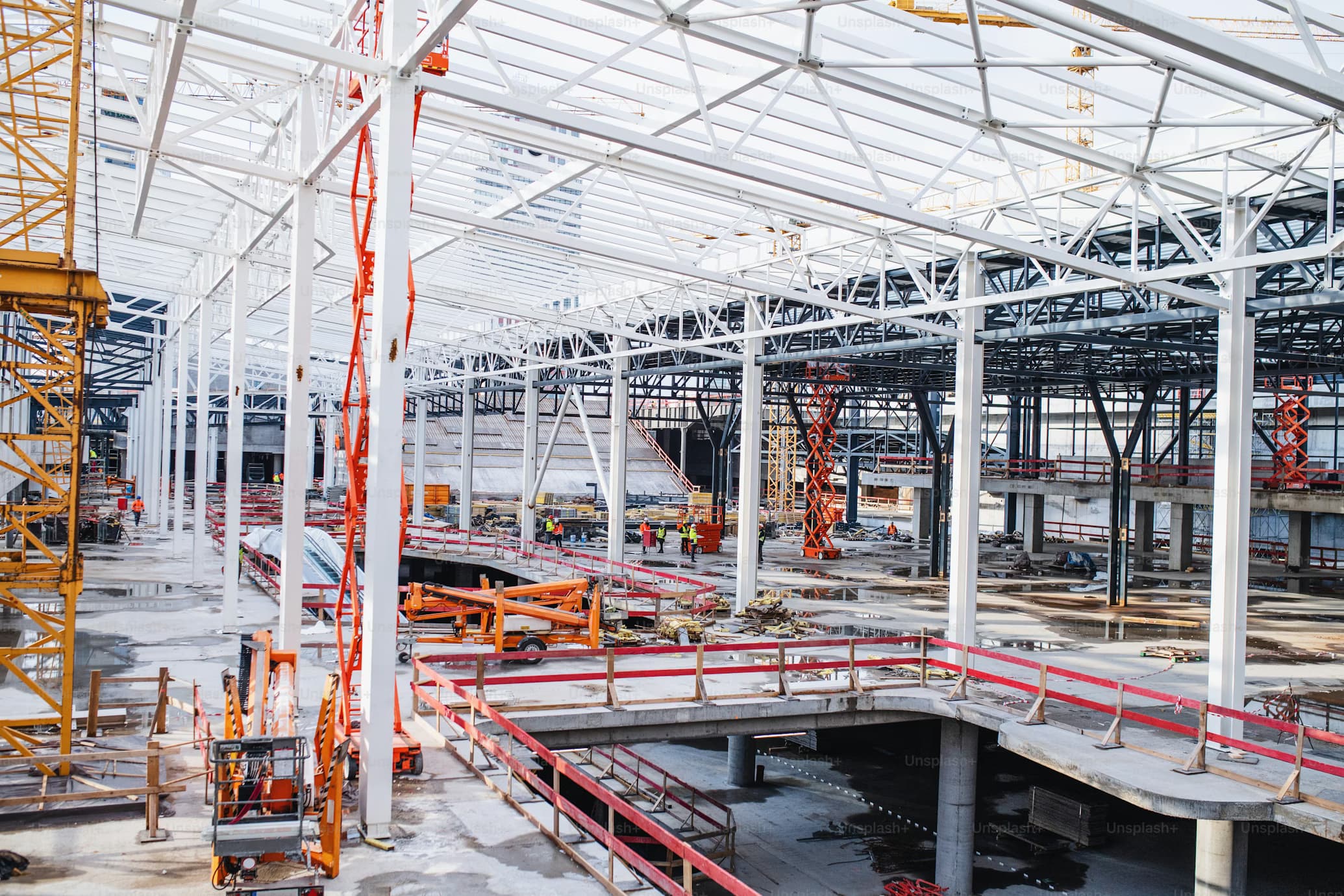
Industrial construction projects involve multiple engineering disciplines, contractors, and technical systems working together within a limited schedule and budget. From structural steel erection and civil works to mechanical, electrical, and plumbing installations, each phase requires precise coordination between teams.
Without a structured execution framework, projects may face coordination issues, delays, and cost overruns. A systematic execution approach helps align engineering design, procurement activities, and construction work throughout the project lifecycle.
Problem / Challenge
Industrial construction projects often involve several technical disciplines operating simultaneously on site. Civil works, steel structures, mechanical systems, and electrical installations must all progress in the correct sequence.
Without proper coordination, conflicts between engineering disciplines may occur. These conflicts can lead to installation problems, construction delays, and additional costs due to rework.
Engineering Approach
A structured execution approach integrates engineering planning with construction activities from the early project stages. Engineering teams collaborate with construction planners to define installation sequences, technical constraints, and construction methodology.
Through engineering-based planning, contractors can reduce design conflicts and improve coordination between disciplines. This approach ensures that engineering decisions support efficient construction execution.
Key Elements of Structured Execution
- Comprehensive engineering planning and technical documentation
- Coordination between civil, structural, mechanical, and electrical disciplines
- Defined construction sequencing and installation planning
- Continuous monitoring of project progress and cost performance
- Early identification of technical risks
Case Study
In industrial facility projects such as manufacturing plants and logistics warehouses, structured execution improves coordination between engineering teams and construction contractors. Projects that apply systematic planning often achieve smoother construction progress and better schedule predictability.
By aligning engineering design with construction activities, project teams can reduce rework and ensure installations follow the intended technical specifications.
Conclusion
Structured execution plays an important role in the successful delivery of industrial construction projects. By combining engineering planning, coordination between disciplines, and continuous project monitoring, contractors can significantly reduce project risks.
For industrial facilities such as factories, warehouses, and logistics centers, this structured approach helps ensure reliable project outcomes and long-term operational performance.
Frequently Asked Questions
What is structured execution in construction?
Structured execution is a systematic approach to construction project management that focuses on planning, coordination, and monitoring throughout the entire project lifecycle.
Why is engineering coordination important in industrial projects?
Engineering coordination ensures that structural, mechanical, electrical, and civil systems work together without conflicts, reducing the risk of design clashes and construction delays.